Now this is not the end. It is not even the beginning of the end. But it is, perhaps, the end of the beginning.
– Winston Chruchill, 1942
This site is now an archive of our blog posts from July 9, 2011 – July 12, 2017. It’s the end of an era here. We hope you’ve enjoyed learning about World War II history as much as we’ve loved sharing with you. We’re moving all of our Museum publishing to our brand new site. We hope you’ll come and visit us often.
Studying the war in the Pacific with The National WWII Museum.
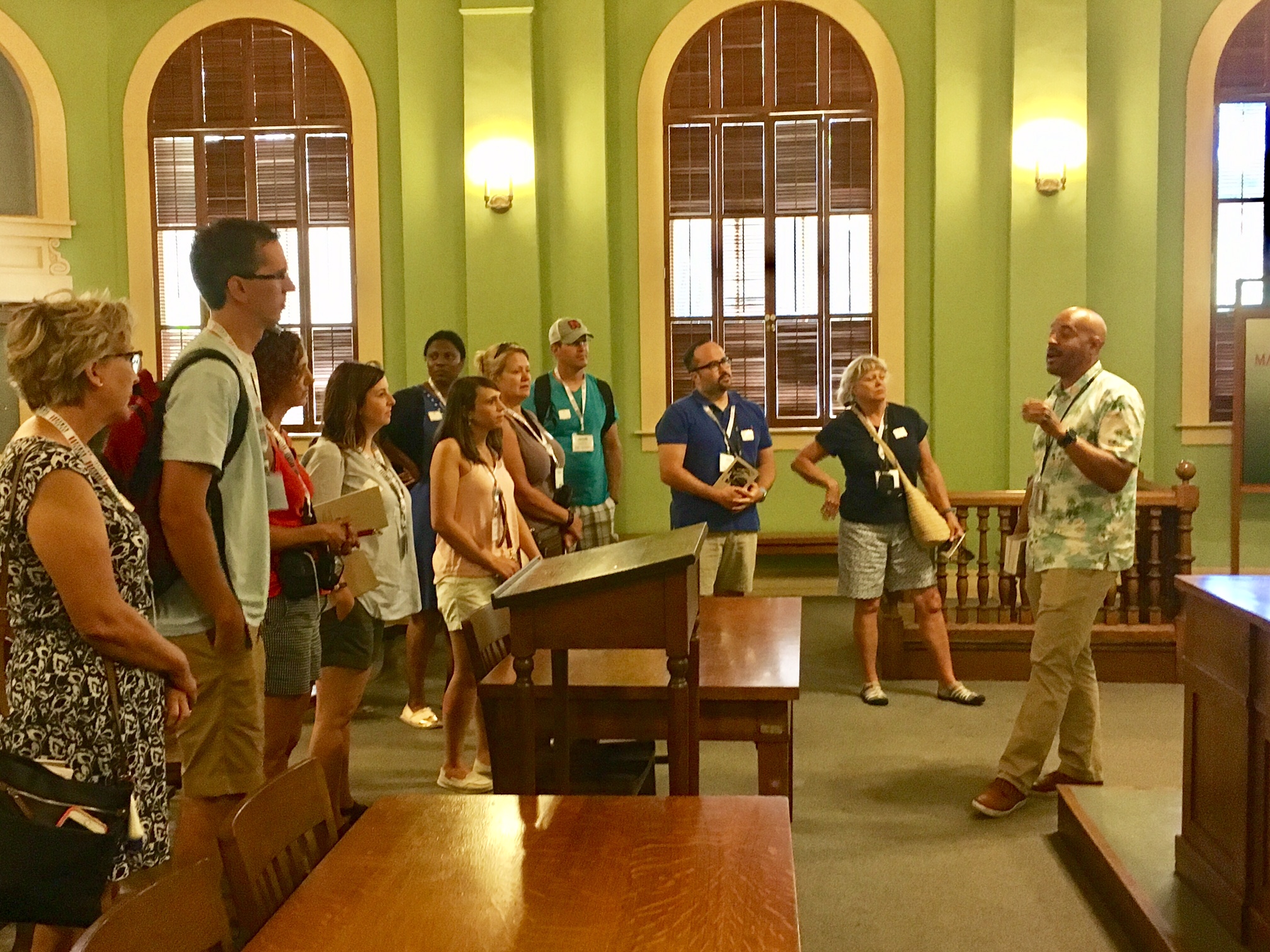
Members of the inaugural class of the Museum’s WWII Summer Teacher Institute—Team Pacific—are in Hawaii this week to complete their year of participation in the program. These 30 middle school and high school teachers from around the country came to the Museum in summer 2016 to study World War II in the Pacific with historian and author Richard B. Frank. Each was provided a Museum-created curriculum guide in exchange for a commitment to share its content and the lessons they’d learned with teachers in their hometown. So far, those lessons have been shared with more than 1,000 teachers. The Institute’s second class—Team Europe—will assemble in New Orleans in a few days to study World War II in Europe with Donald L. Miller, PhD, then reconvene next summer for a week of study in Normandy, France.
Team Pacific is sending daily dispatches about their experiences in Hawaii. Here’s a Day One report from Angel Ledbetter, a high school teacher from North Carolina and member of the Summer Teacher Institute inaugural class:
As a history teacher, my goal is to help my students understand the reality of the past. Starting the day at Iolani Palace and Aliiolani Hale, standing where Queen Liliuokalani was imprisoned after her overthrow, and learning about the effects of martial law on the islands during World War II, provided me with insights that will help me do just that.
Coming face-to-face with some of the ugliest chapters in our history—including our role in the dissolution of the Hawaiian monarchy and curtailment of constitutional liberties—takes a commitment to honoring the past that runs throughout Hawaiian culture. The loss of the kingdom (and subsequently the erosion of the native culture) and the racial tension that divided the island during World War II could have broken these islands. And yet, they didn’t.
Instead, as the day progressed we learned just how resilient and proud the Hawaiian people are. We learned lessons about sacrifice and duty at Kualoa Ranch, where more than 600 acres of land was given to the US federal government to serve as a critical airfield during World War II. The tour was sprinkled with tidbits about famous movies filmed there, providing a further glimpse into the magic of the islands.
Coupled with an amazing lunch discussion with a tour guide filled with passion for preserving and promoting Hawaiian language and history, the day left me with no doubt that the Hawaiian spirit is stronger, prouder, and more welcoming than I could have imagined.
Visit ww2classroom.org to see WWII Summer Teacher Institute curriculum guide content.
Howard and Jean Hart at the opening of Road to Tokyo.
A storied CIA operative, Howard P. Hart died recently at age 76. His connection to The National WWII Museum includes a substantial donation of wartime arms currently on display in multiple galleries on our campus, as well as two separate oral history interviews for our Digital Collections. The interviews, conducted by historian Tom Gibbs, covered Hart’s experiences as a child during the war while his family was held in a Japanese civilian incarceration camp in the Philippines. Now Museum Project Manager, Gibbs recalled meeting Hart for the first time in this post for the Museum blog:
I had the honor of sitting down with Howard Hart on a cold and snowy day in 2013 outside of Charlottesville, Virginia. When I arrived at his property, I did not know what to expect. What I did know was that I was about to meet someone extremely intelligent who had a heck of a story to tell about World War II. I was instructed by Mr. Hart to meet him at a post store—an old-timey general store that sold everything from wine to ammunition—at the base of the mountain where he lived. A white jeep stopped directly in front of me. A white-haired man in a low voice asked me for my identification. It was an unusual first step, and something that had never happened when I had interviewed other WWII veterans. I felt like I was in the middle of a Tom Clancy novel. When Mr. Hart determined that I passed muster, the warmest smile and greeting ensued, and I took a trip up the mountain to his famous home.
I knew Mr. Hart had a long and decorated CIA career, but the real reason I was there was to capture the story of the Los Banos civilian POW camp, and the incredible story of its liberation in 1945. The liberation coincidentally occurred on the same day the US flag was raised on Mount Suribachi, relegating it to back-page news. Over the course of three and half hours, Mr. Hart proceeded to tell me one of the most engaging and unbelievably human stories I ever captured on tape. Learning of the horrors of—and the actions required to survive in—a Japanese prison camp was humbling. It was his story of the camp’s liberation, however, that struck a chord with me, and it’s something I will never forget.
“I looked up, I had no idea what I was looking at,” he said. “I had never even seen a parachute before. It was as if some magical apparition was occurring in front of my eyes. And before I knew it, an American paratrooper was standing in front of me. He must have been 35 feet tall. He was angry and fired up and ready to kill Japanese. . . . This American paratrooper picked me up under his arm. It was a mile and half to the beach, and the entire time he told me, ‘Kid, I’m gonna get you home. Kid, I’m gonna get you home.’”
When 2,000 US civilian POWs who had been imprisoned since 1941 arrived in San Pedro, California, a band was waiting for them. “They had a band on the dock and they were playing the The Star-Spangled Banner,” he said. “I had never heard The Star-Spangled Banner before! We all wept. It was the most beautiful thing I ever heard, and I weep now telling this to you.”
Mr. Hart’s legacy lives on here at The National WWII Museum, both through his oral histories and his generous artifact donation, which allows our visitors to see top-notch examples of weapons used during the war. The 16 donated weapons, part of the Howard and Jean Hart Martial Arms Collection, are on display in The Duchossois Family Road to Berlin: European Theater Galleries, the Richard C. Adkerson & Freeport McMoRan Foundation Road to Tokyo: Pacific Theater Galleries, and The Arsenal of Democracy: The Herman and George Brown Salute to the Home Front.
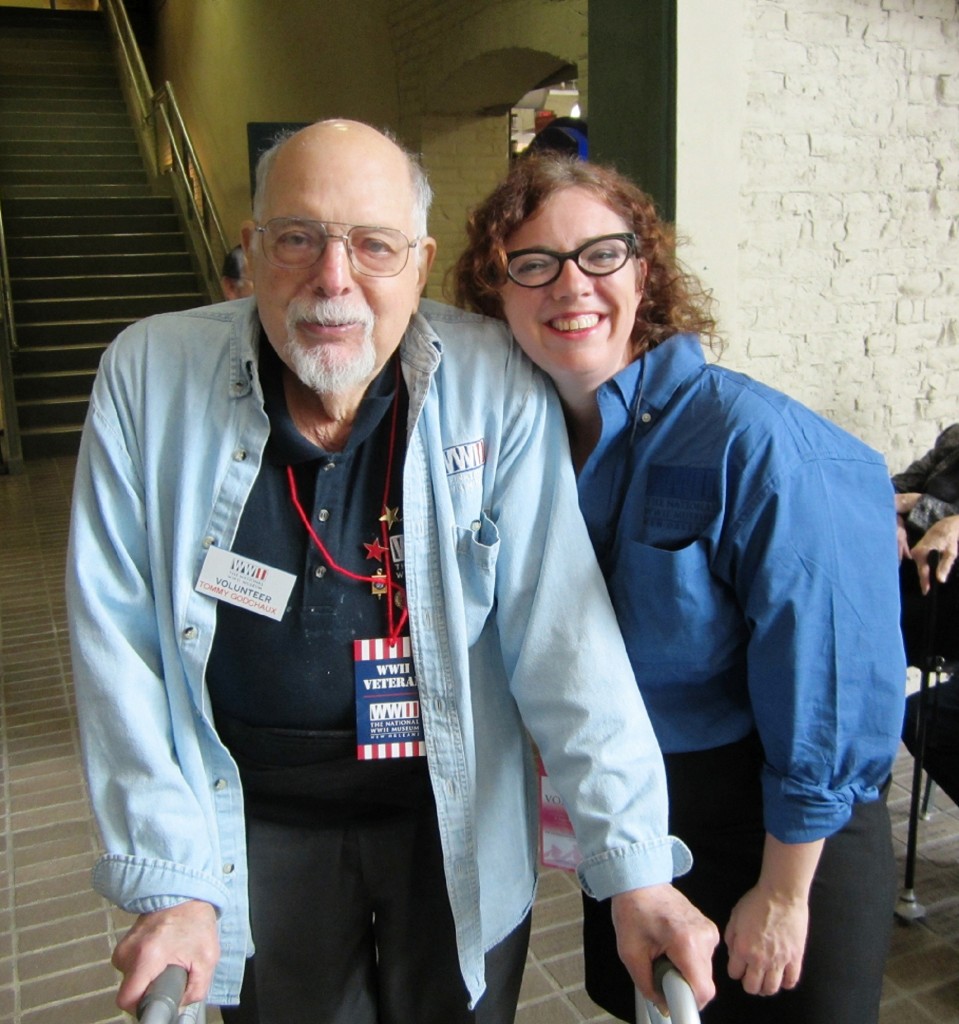
Assistant Director for Curatorial Services Kimberly Guise remembers a friend—WWII veteran and longtime Museum volunteer and supporter Thomas P. Godchaux, who passed away on May 16, 2017, at age 93:
Making friends at the Museum is incredibly rewarding, but can be difficult knowing that friendships with our WWII veterans are brief as they leave us every day. Mr. Tommy was a fixture at the Museum, having volunteered since 2000, initially leading tours and then guiding visitors through his personal experiences during the war years behind a table in the US Freedom Pavilion: The Boeing Center and then the Campaigns Of Courage: European and Pacific Theaters pavilion.
Tommy’s time with the Museum was a gift. He was beloved by his fellow volunteers, by staff members, and by thousands of visitors who came in contact with him. Tommy was passionate about telling stories—stories of his experiences of the war, but also of nearly a century of other encounters. He loved sports—in particular baseball—his family, the symphony, Shakespeare, Charles Dickens, Mark Twain, New Orleans, ice tea, oysters, civic engagement, and discussions about books, both fiction and nonfiction. Even after his eyesight failed, he would read with welding goggle-like magnifying glasses—and not just any books, but ones like the 736-pager A History of the World in 100 Objects.
His passion for lifelong learning was inspiring. He always had suggestions for the Museum about exhibits, visitor engagement, and the visitor experience. Tommy loved hearing about trips and adventures, museums visited, people met, meals eaten, and games and concerts seen– and he always had some story to relate himself. He could be the life of the party, a great conversationalist with an amazing memory of a life well lived. Tommy could relate to almost anything, and I looked forward to sharing stories with him that he might find interesting, which wasn’t difficult.
Tommy graduated from Isidore Newman School in New Orleans in 1942. His family had emigrated from Alsace-Lorraine to Louisiana and established a sugar plantation network and then a chain of department stores, the flagship store on Canal Street in New Orleans. He joined the Army Enlisted Reserve Corps and after one semester at Lehigh University, was called up in February 1943 and sent to Fort Meade, Maryland, for induction. From there, he was sent to Camp Pickett, Virginia for basic training in the Medical Corps. Tommy then elected to join the Army Specialized Training Program (ASTP) and was sent to Virginia Tech for two quarters before the program was canceled. In March 1944, he was then sent to Camp Bowie to join a new company, the 1475th Engineer Maintenance. After training in Granite City, Illinois, the company sailed in June 1944 from Seattle to Ie Shima in the Okinawa Islands, where they spent two months.
On August 14, Tommy and others witnessed a historic event on the airstrip at Ie Shima. A Japanese delegation flying in “Betty” bombers, painted white with green crosses, landed on Ie Shima to transfer to a C-54 to fly to Manila to sign a cease-fire. After witnessing the surrender, he spent time on Okinawa and was there for the great typhoon on October 9, 1945. In November, his unit was sent to Korea. In March 1946, he boarded a troopship for the United States and on March 15, 1946, received his discharge. In 1947, he began a 41-year career in the family’s clothing store business, Godchaux’s, eventually becoming company President.
I’ll remember Mr. Tommy for his service to our country, to the city of New Orleans, and will be forever inspired by his passion for learning, for reading even when eyesight fails, and for listening even when you can’t hear very well at all. I’d love the chance to tell him another story or two about what I’m working on and hear his response.
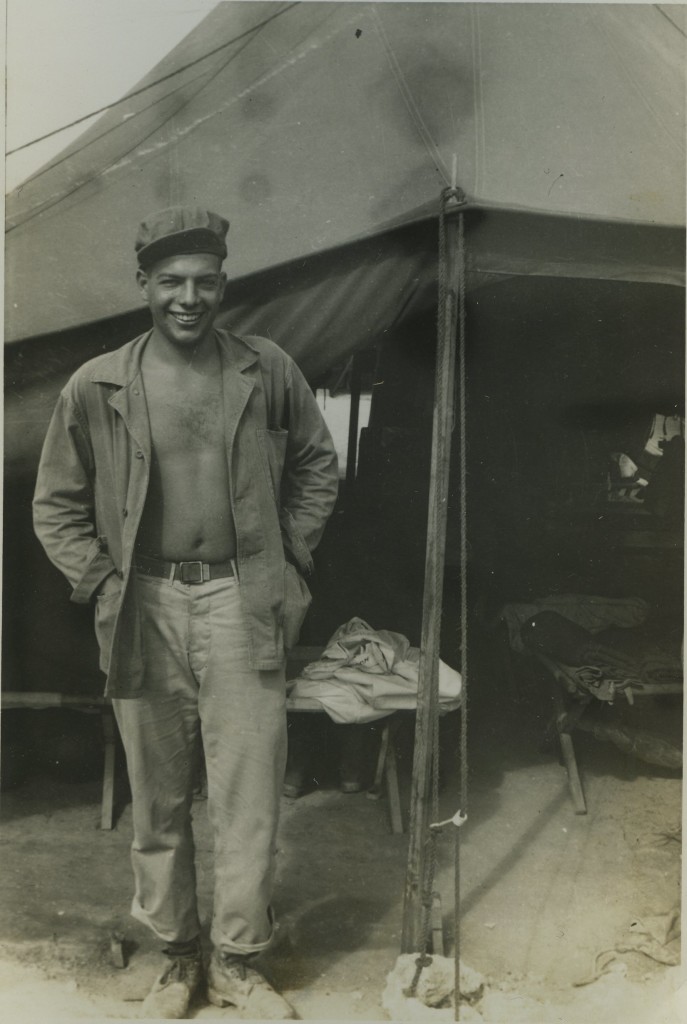
Godchaux in Okinawa at age 21, 1945.
Godchaux in the PTO at age 20, 1945.
Portrait of Thomas Godchaux
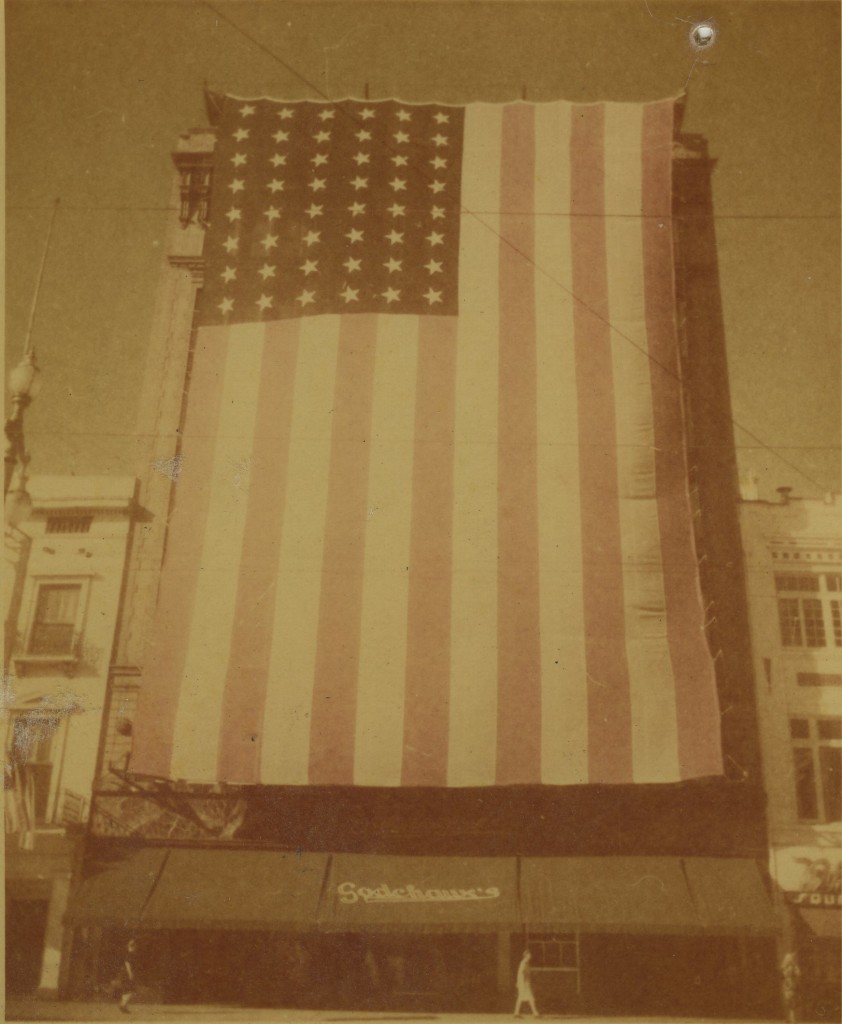
Godchaux's on Canal Street with US flag flown during the war, c.1945
Each month the Museum features a standout classroom participating in Get in the Scrap!. Get in the Scrap! is a national service learning project about recycling and energy conservation inspired by the scrapping efforts of students during World War II. Each featured class does stellar work to make a difference in their school, home, community and even the planet!
For June, we’re showcasing students from Bucher Elementary School in Lancaster, PA, who are using Get in the Scrap! in their math class. The students and their teacher, Mr. Homan, sat down to answer a few questions for us about their work with Get in the Scrap!
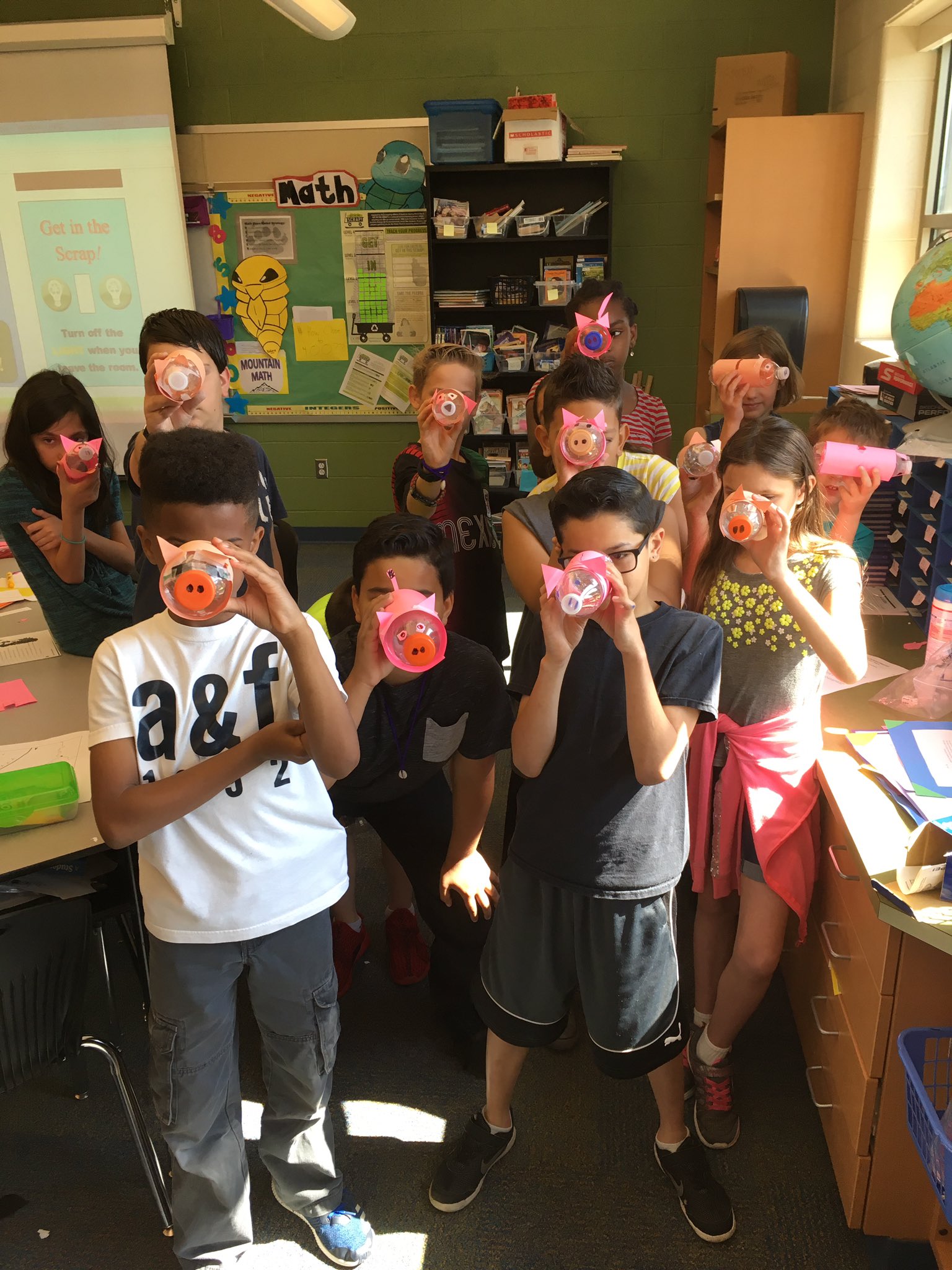
The Scraptastics from Bucher Elementary show off their wattle bottle piggy banks. Oink!
Team Name: The Scraptastics
Number of Get in the Scrap! points thus far: 100
How has Get in the Scrap! been a good fit for your curriculum? Please explain:
“It went along smoothly with our math class. We were able to do some math problems with getinthescrap and discuss recycling and conservation with the students to finish out the year. For example, we had a good discussion about how long the students take showers. We looked up how many liters are used per minute, and then figured out how much water they use in a normal shower. They were surprised!”
What has been your favorite activity? Why?
“The students really loved making the water bottle piggy banks!” Blogger’s note: This is a favorite activity of many participating classrooms. Be creative, reuse materials, and save your change!
This is just one of the many amazing groups participating in the Get in the Scrap! national service learning project. June marks the beginning of summer, so we want to congratulate all students and teachers for their hard work throughout the entire school year. Check out all of their efforts by following the #getinthescrap hashtag on Twitter. Get in the Scrap! will return next fall. Stay tuned for an official launch date!
Post by Chrissy Gregg, Virtual Classroom Coordinator
Sometimes when I read stories from the homefront during the war I try to imagine what it must have been like. The months right after the attack on Pearl Harbor are compelling. I wrote earlier about the Battle of Los Angeles.
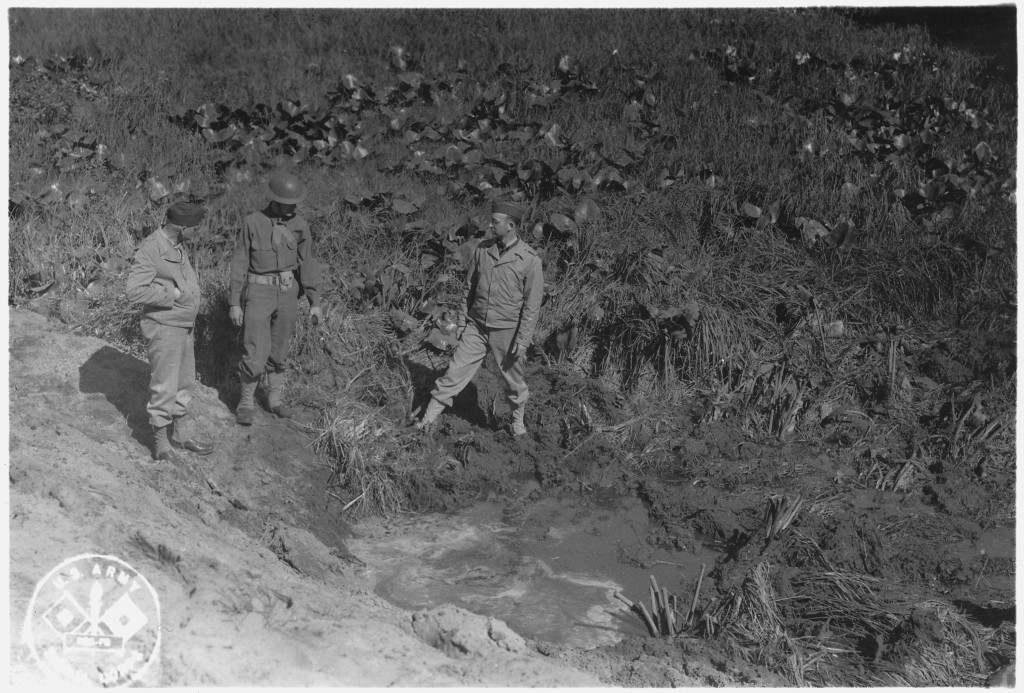
On June 21, 1942 Civil-War era Fort Stevens, near the mouth of the Columbia River in Oregon, was shelled by Japanese forces. The Japanese submarine I-25, with a crew of 97, and armed with a 14 cm deck gun and carrying a seaplane, opened fire. Fort Stevens commander ordered an immediate blackout, and held all fire. This prevented the submarine from accurately targeting the base. Of the seventeen shots, the only damage was to some telephone poles near the base–the remainder landed on a baseball field or a nearby wetland. Just past the battery of Fort Stevens was the northern Kaiser shipyard, which was at that time turning out a Liberty Ship each week.
Nearby training planes called in an A-29 bomber, but the submarine submerged untouched, having dodged the bombs.
This attack on continental US military base–the only one by Axis forces in WWII–led to fear of a West Coast invasion. With contemporary sinkings of passenger and freight ships off the Atlantic and Gulf Coasts, it caused fear to mount, and support for the war effort to grow.
The Japanese submarine I-25 was one of the I-15 class submarines produced for the war. It weighed in at 2,600 tons, was 350 ft long, and carried a reconnaissance plane. The plane was carried in a hangar below the deck disassembled. Quickly assembled it could carry 2 men and land on the sea. Subs of the I-15 class could travel 27 mph on the surface, and 9 mph submerged, with total range of 16,000 miles before it needed refueling. The I-25 was just off the shore of Oahu during the Pearl Harbor attack, after which it patrolled the waters off the US coast near the mouth of the Columbia River.
The night before the attack on Fort Stevens, the I-25 torpedoed and damaged a Canadian freighter loaded with cargo for England off the coast of Washington. To get up the river past minefields the next day, the crew followed fishing vessels.
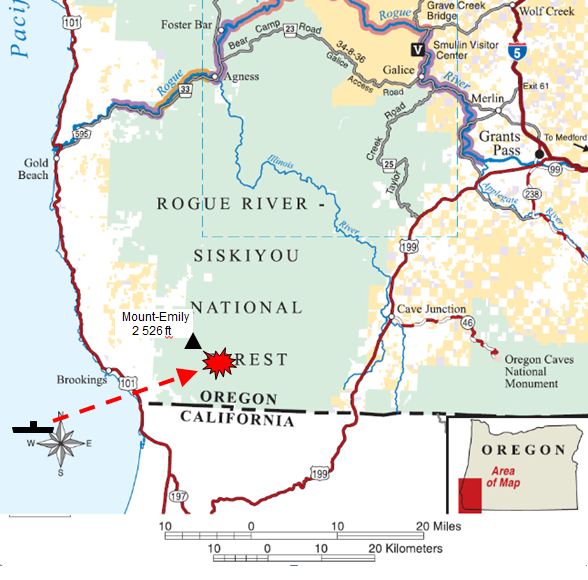
On a later mission, I-25 launched its seaplane from off the coast of California, near the Oregon border. The plane flew inland into southern Oregon, and dropped incendiary bombs over forests in an attempt to cause wildfires. Recent rain and quick work by forest service personnel contained the fire quickly. In the process of putting out the fire, they recovered bomb fragments that identified the source of the fire.
I-25 was sunk off the coast of New Hebrides by the USS Ellet on September 3, 1943.
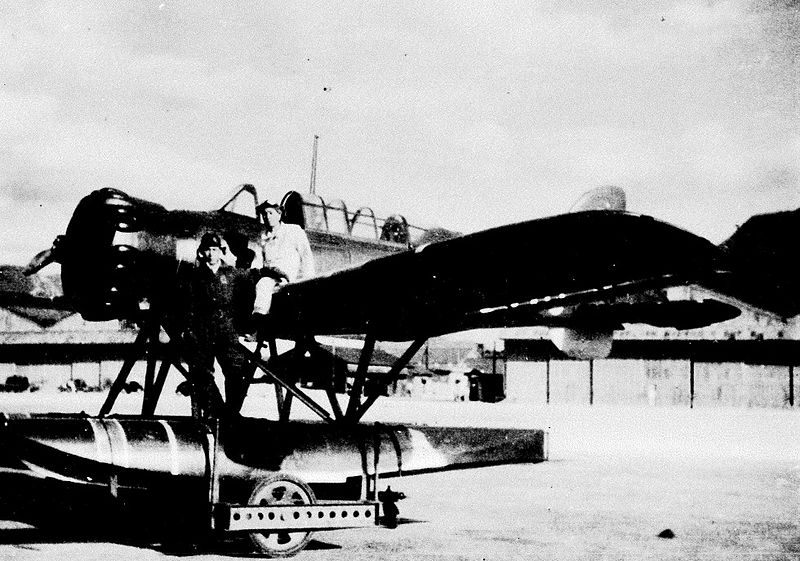
This is a picture of the I-25's seaplane with the pilot.
This is a map of where the I-25's plane dropped incendiary bombs later.
This is a photo of personnel from Fort Stevens examining craters from the shells fired on it.
This is a photo of the I-26, which was very similar to the 1-25.
All images are from Wikimedia Commons.
Posted by Rob Wallace, STEM Education Coordinator at The National WWII Museum
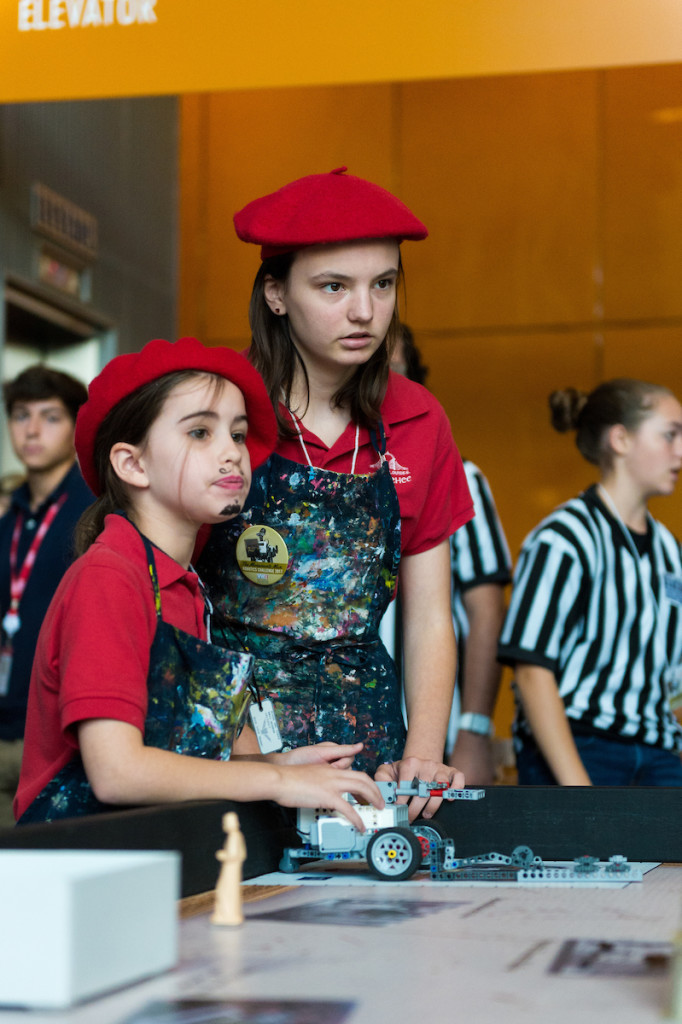
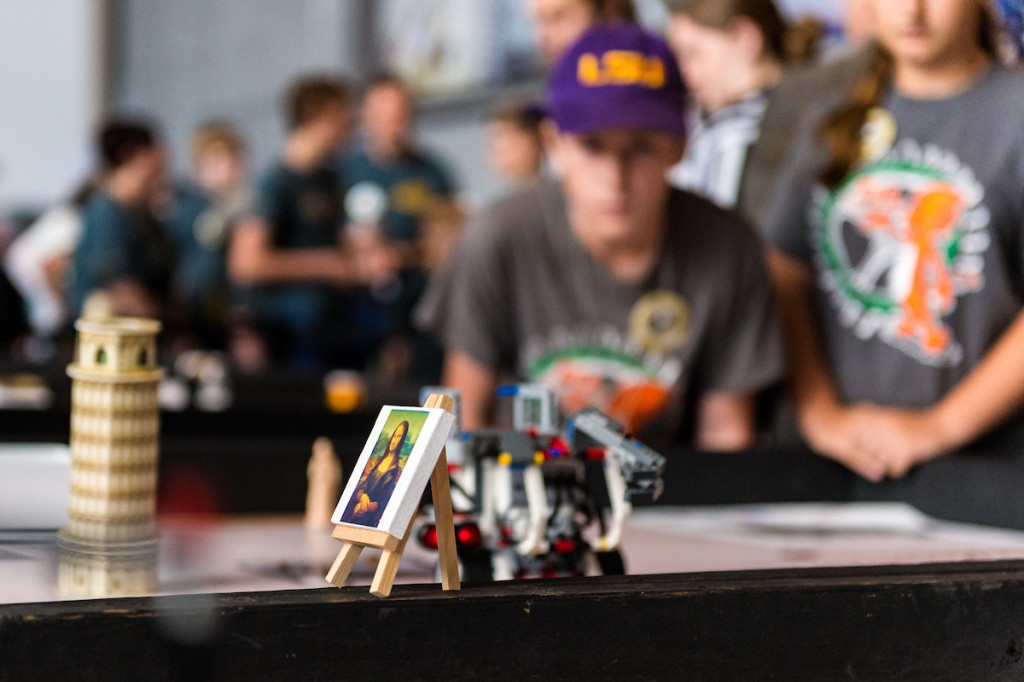
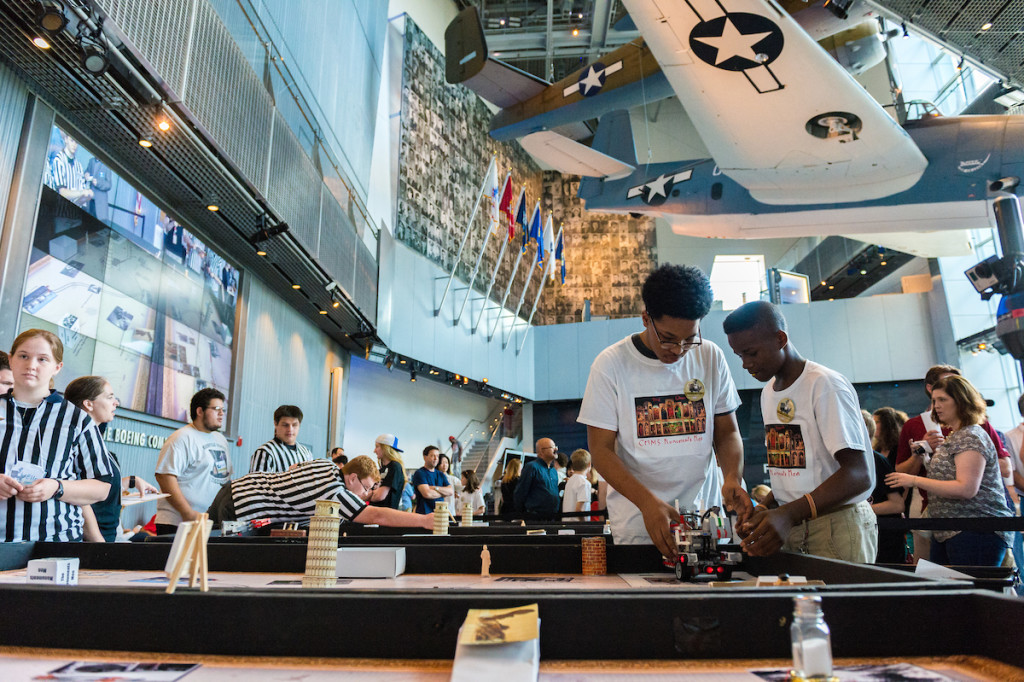
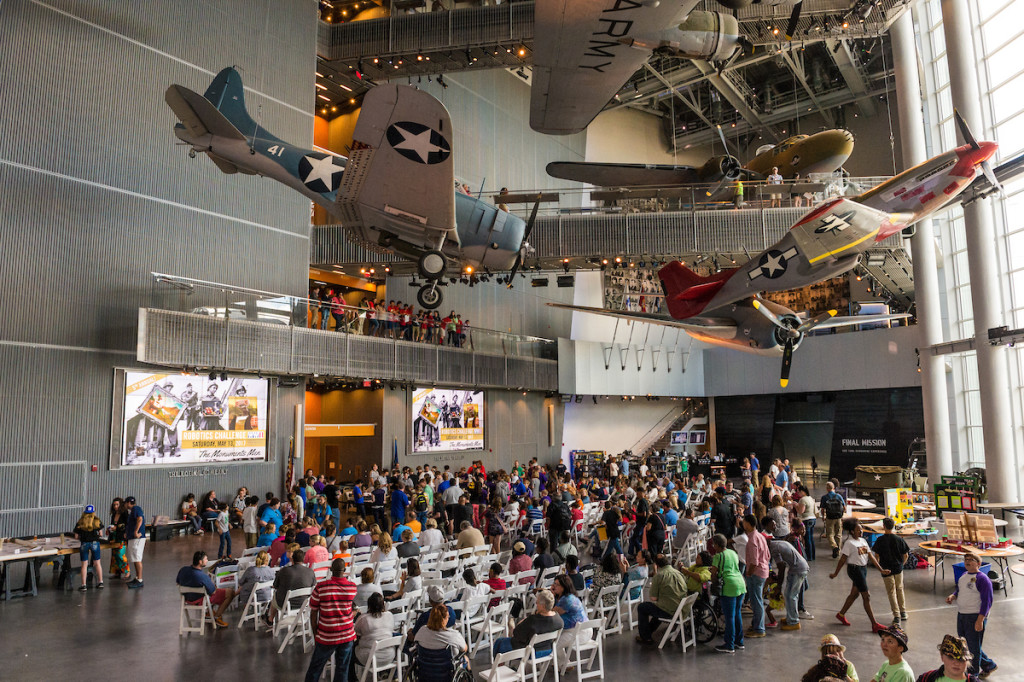
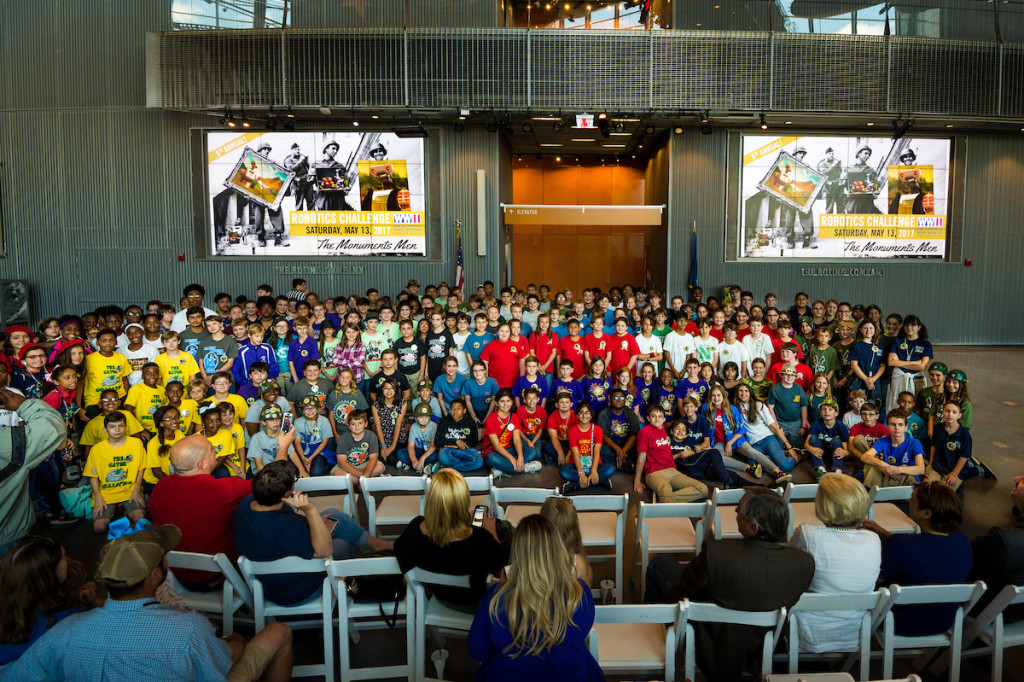
On Saturday May 13th, 40 teams from Louisiana and Alabama gathered to compete and share their project designs in The Monuments Men–the theme for this year’s robotics challenge.
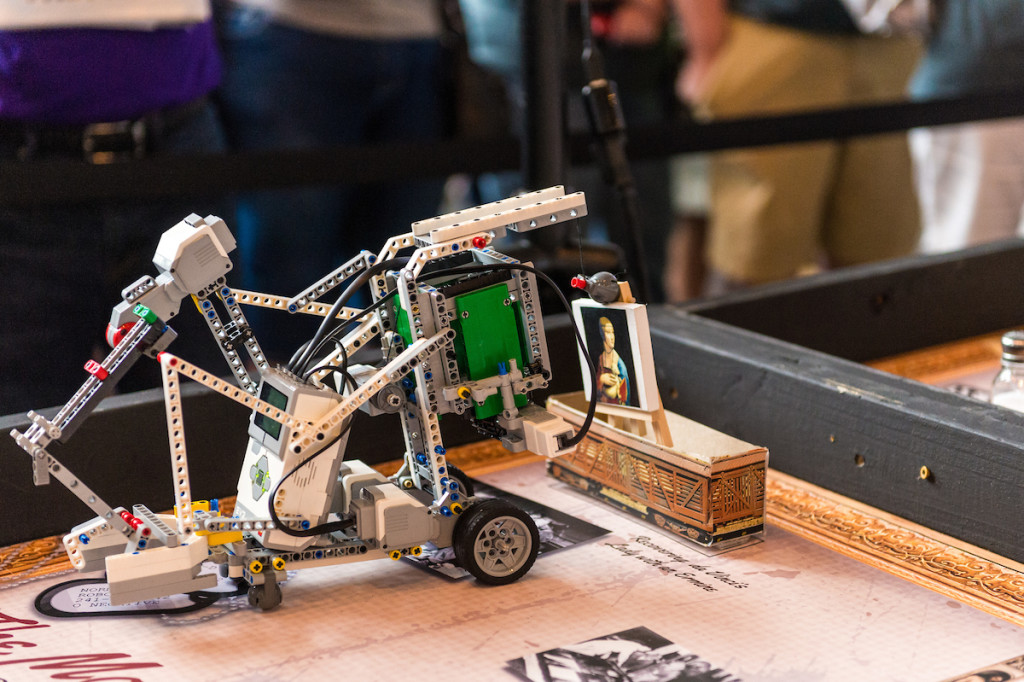
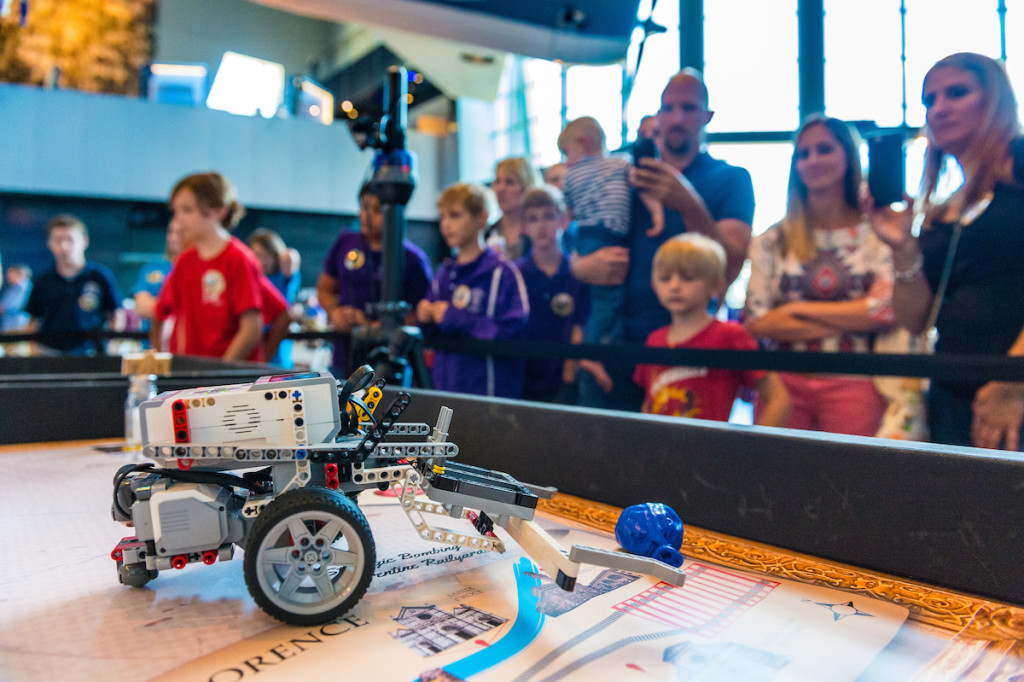
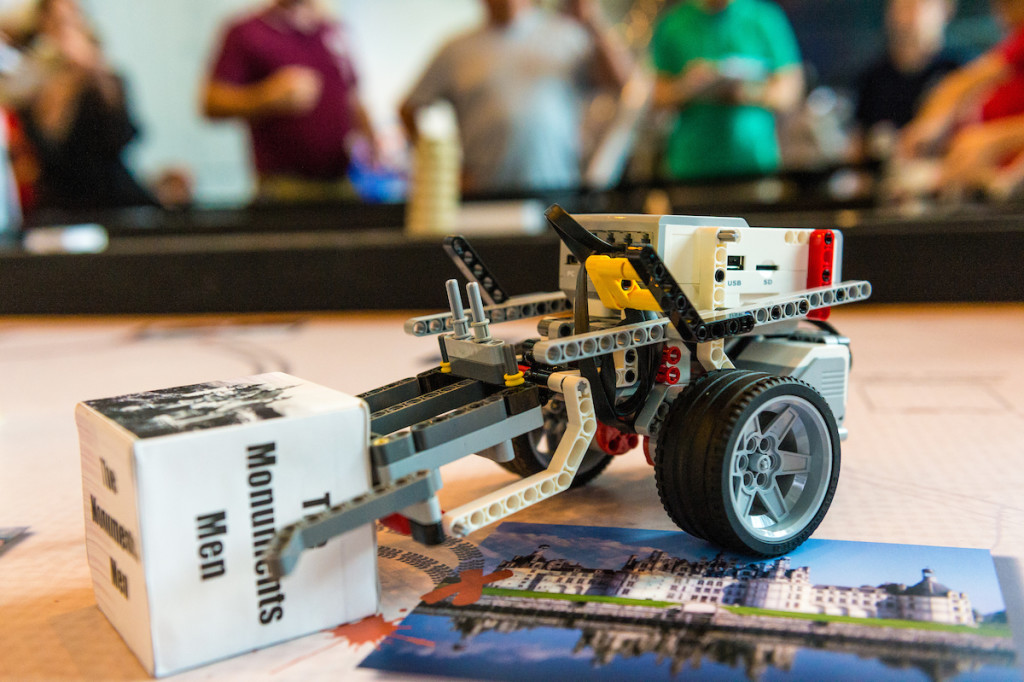
The robot competition involved students programming their Lego Mindstorms robots to complete 11 tasks. These tasks represented the efforts of the Monuments Men and others in Europe dedicated to saving the cultural heritage of Europe. For example, robots rescued paintings from boxcars, moved the Mona Lisa and a Nike statue from the Louvre, and cleared and posted sentries on damaged monuments.
Teams also designed bridges to carry their robots. This represented the effort to rebuild the bridges of Florence. As the German forces retreated they destroyed the bridges to slow the advancing Allies.
Awards are given annually for the best competitors in the robot competition, and for robot design, and project. In addition, judges pick a Grand Champion. The Grand Champion may or may not win at any of the individual events, but embodies the spirit of the challenge. This year’s Grand Champion team won, in addition to the usual trophy, copies of The Monuments Men, signed by author Robert Edsel. We thank Mr. Edsel for this generous contribution.
Grand Champion
St Michaels of Crowley, LA
Competition
1st place-Tie between SJ Green Charter School of New Orleans and St Pius of Lafayette
2nd place-St Theresa of Gonzales, LA
3rd place-JLT Imaginations of Prairieville, LA
Design
1st place-Our Lady of Fatima of Lafayette, LA
2nd place-Kenner Discovery Health Sciences Academy of Kenner, LA
3rd place-St Theresa of Gonzales, LA
Project
1st place-Girls Scouts of Gonzales, LA
2nd place-St George’s Episcopal of New Orleans, LA
3rd place-Metairie Park Country Day School of Metairie, LA
Next year’s theme will be The Pelican State Goes to War, in honor of the opening of our traveling exhibit of the same name. It will take place May 12th 2018, and registration will open in January.
Thanks to Chevron, who sponsors the event and sends volunteers, and to Fontainebleu High’s RoboDawgs, who volunteer as referrees and table setters.
Posted by Rob Wallace, STEM Education Coordinator at The National WWII Museum
Each month the Museum will feature a standout classroom participating in Get in the Scrap!. Get in the Scrap! is a national service learning project about recycling and energy conservation, inspired by the scrapping efforts of students during World War II. Each featured class does stellar work to make a difference in their school, home, community and even the planet!
For May, we’re featuring students from Sovereign Avenue School in Atlantic City, New Jersey, who are using Get in the Scrap! in every discipline. The students and their teacher, Ms. Williams, sat down to answer a few questions for us about their work with Get in the Scrap!
The Dolphins from Sovereign Avenue School in New Jersey show of their water bottle piggy banks.
Team Name: The Dolphins
Number of Get in the Scrap! points thus far: 89
How has Get in the Scrap! been a good fit for your curriculum? Please explain:
“I have incorporated ideas from this program into Reading, Writing, Science, Social Studies, and Math. The students have learned parts of speech from Scrap Libs, learned about alternative energy sources (and researching and writing a brochure), and even explored their artistic sides by creating piggy banks with recycled water bottles and art scraps.”
What has been your favorite activity? Why?
“When I asked my students about their favorite activity, they were evenly split between the recycled piggy banks and the Scrap Libs. They all talked about the fun they had working with others, and enjoying the opportunity to be creative.”
This is just one of the many amazing classrooms participating in the Get in the Scrap! national service learning project. You can learn more and sign up your classroom today at getinthescrap.org!
Post by Chrissy Gregg, Virtual Classroom Coordinator
On the morning of May 19, 1942, the Heredia was steaming from Guatemala to New Orleans. Just as it reached the mouth of the Mississippi River with 1,500 tons of bananas and coffee, it was intercepted by German U-boat 506 and hit with three torpedoes. The explosions after the hits destroyed four of the ship’s emergency vessels, and sunk it in three minutes. Sixty two people were on board the ship—36 died and 26 survived. Two lifeboats were launched, and several other people were rescued by shrimp trawlers in the area.
The Heredia, owned by United Fruit, was the second ship sunk by U-boats in the Gulf of Mexico. On May 4, the Norlindo, which was carrying only ballast, was sunk much farther south in the Gulf. From early 1942 into 1943, about 20 U-boats patrolled the Gulf of Mexico, looking especially for oil tankers carrying oil from Louisiana and Texas. In all, the U-boats sent 56 vessels to the bottom of the Gulf. Only one U-boat was sunk by US ships.
The wreck of U-166 lies near the mouth of the Mississippi, sent there by depth charges from PC-566. This patrol boat was accompanying the Robert E. Lee, a passenger ship that was transporting the survivors of other U-boat attacks back to New Orleans. On July 30, 1942, the Robert E. Lee was attacked and sunk by U-166, killing 25 of the 430 on board. PC-566 couldn’t save the ship, but it got vengeance.
Almost a mile of water sits over the remains of U-166, which was discovered during exploration for the ill-fated Deepwater Horizon oil well in 2001. In 2014, a National Geographic expedition led by Robert Ballard sent remotely operated vessels to map and photograph the wreckage.
In 1943, Allied forces achieved advances in radar that shifted the balance of naval warfare, and the Axis and its U-boats never could match them. Casualties from—and tonnage lost to—U-boats decreased dramatically from 1943 on.
From a report of the Minerals Management Service on WWII era shipwrecks in the Gulf of Mexico.
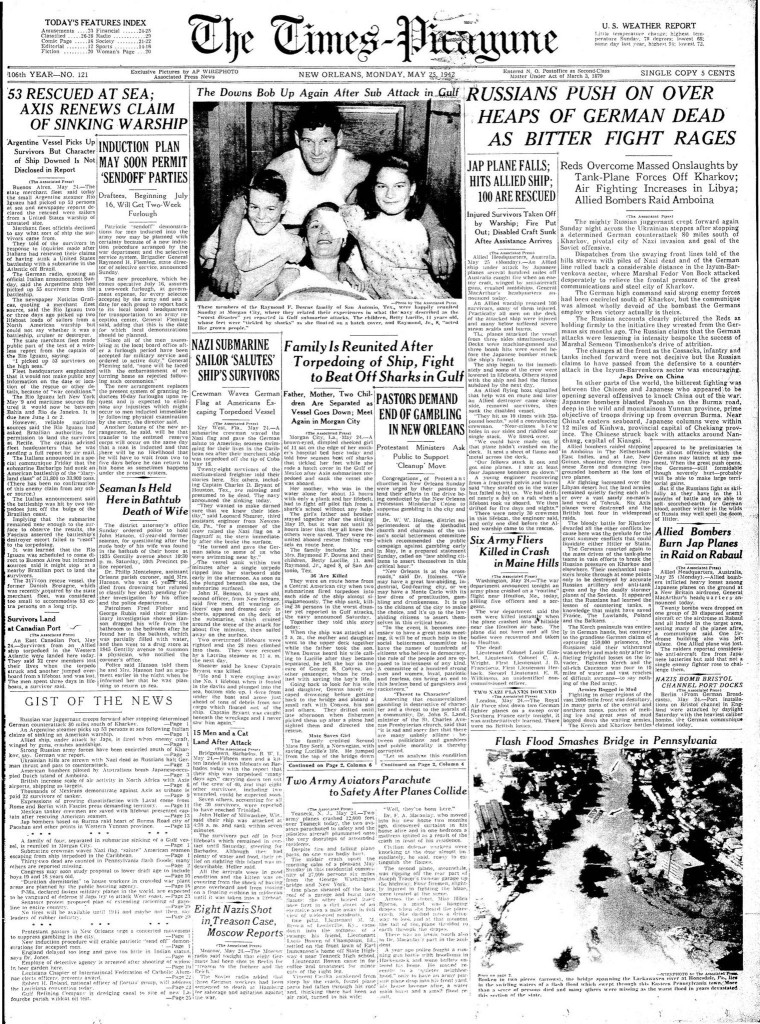
Front page of the Times Picayune, reporting the May 19th of 1942 attack.
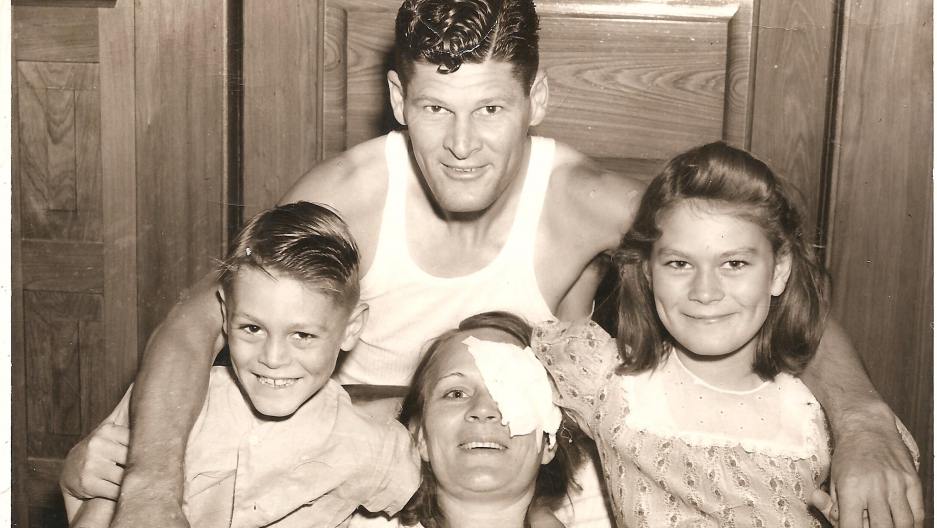
A photo of a family riding as passengers on the Heredia when it was sunk. From the Times-Picayune.
Posted by Rob Wallace, STEM Education Coordinator at The National WWII Museum
Home Front Friday is a regular series that highlights the can do spirit on the Home Front during World War II and illustrates how that spirit is still alive today!
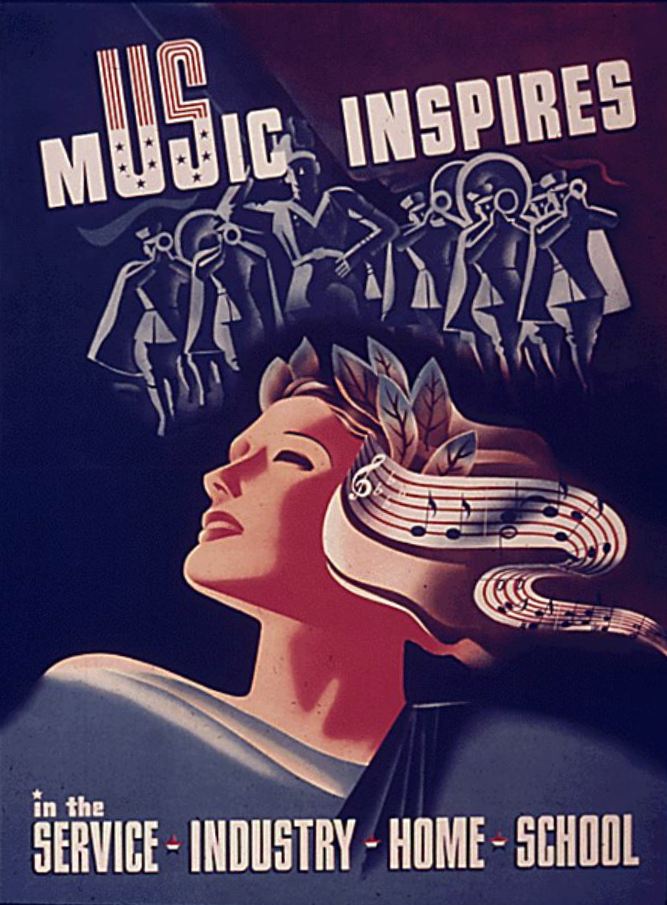
WWII poster, 1941-1945. Image courtesy of the National Endowment for the Humanities.
Duke Ellington. Count Basie. Cab Calloway. Ella Fitzgerald. Louis Armstrong. Glenn Miller. These are just a few of the infamous jazz musicians from the WWII era, who helped keep the Home Front spirit high with their music.
April is nationally recognized as Jazz Appreciation Month, and to get in the spirit, the blog post this Friday will acknowledge the contributions of jazz to WWII. During the war, music was needed more than ever to bring joy in a dark time to people on the Home Front and soldiers at war. Read on to find out how jazz artists rose to the occasion to make the music happen in difficult times and kept the Home Front spirit burning bright.
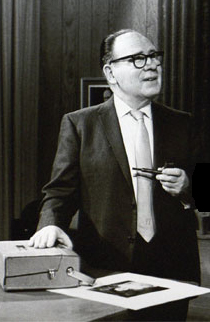
The music industry was actually undergoing a war of its own during WWII. In 1942, two of the most prominent musician unions went on strike against all four recording companies in the U.S.. The strike then caused a shortage of music needed for troop morale. Yet, Lieutenant G. Robert Vincent had a solution to the problem. After approval of the U.S. government, he brokered a deal between the unions, recording companies, and the U.S. government. By agreeing to not distribute any records for commercial use, Vincent was able to get the recording companies to agree to record albums for the troops to listen to while at war. More amazingly, he also convinced top-name musicians in the business to record for the albums despite the strike they were involved in. What did these records end up looking like though?
Lt. G. Robert Vincent. Image courtesy of the Stanford University Library.
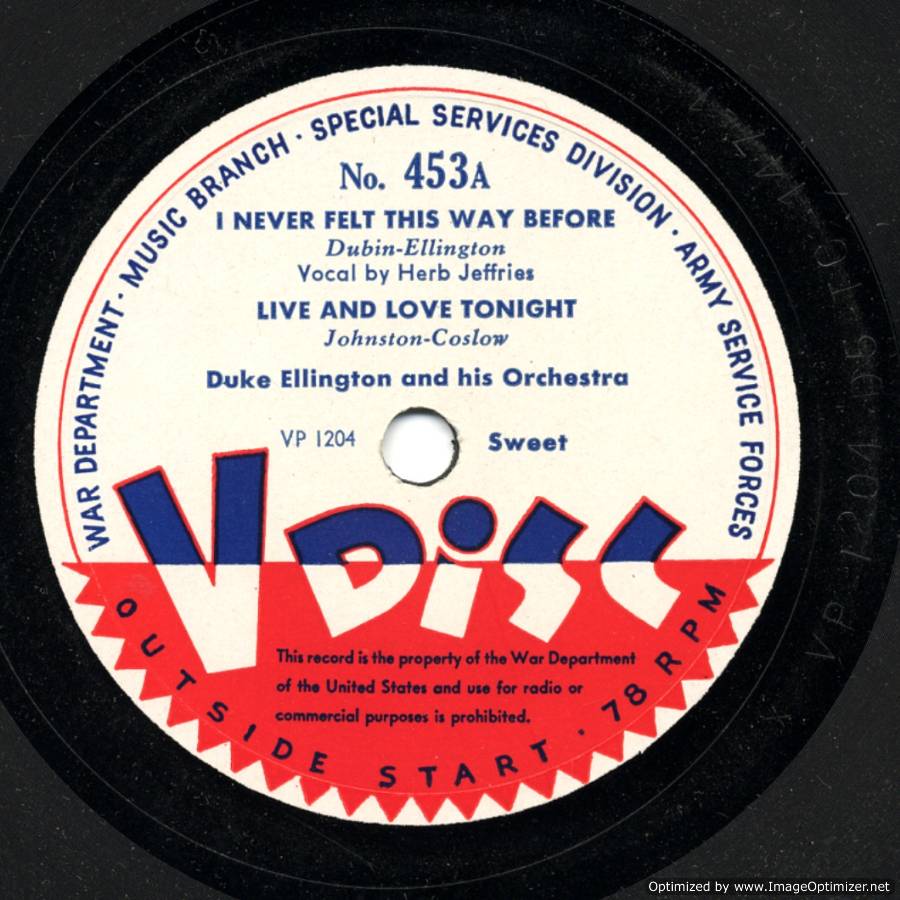
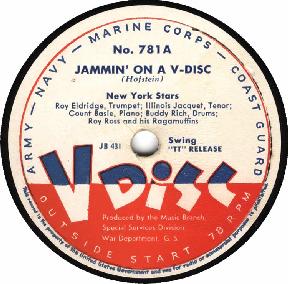
Vincent’s efforts resulted in records now known as “V-Discs”, the V standing for Victory. See below some images of V-Discs that were saved due to some soldiers’ craftiness and ability to smuggle the records back home in spite of the U.S. government’s efforts to destroy the records. The government used several means to confiscate the records to keep their agreement with the recording companies. The production plants were forced to destroy the masters of the records, the Provost Marshall confiscated records from returning soldiers, and the FBI even stepped in if necessary to prosecute anyone who tried to commercialize the records.
Duke Ellington and his Orchestra V-Disc. Image courtesy of the National Endowment for the Humanities.
V-Disc featuring Count Basie. Image courtesy of Stanford University Library.
If you would like to hear some of the great music recorded for the V-Discs, many songs have been compiled on the Internet Archive website. Here’s a video of Duke Ellington performing for a little sample:
For some ways you can experience jazz in a similar experience to the troops or in a modern setting or just learn more about jazz music in general: